
Mitral Valve Repair & Replacement in Lucknow
Advanced, Patient-Centric Heart Valve Care by Dr. Rahul Bhushan
Introduction
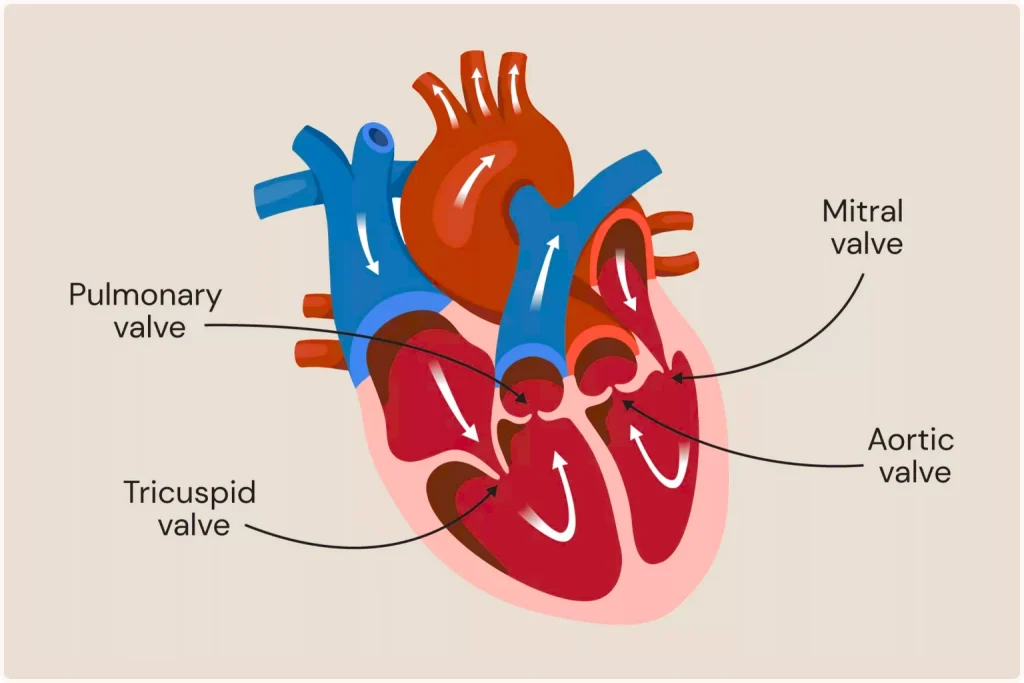
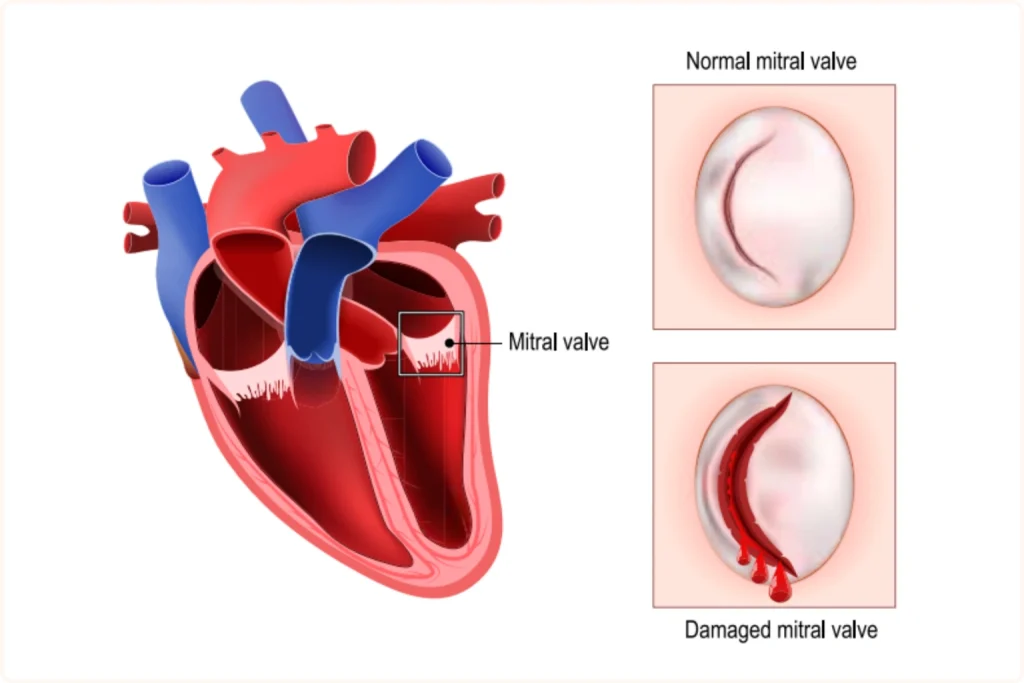
The mitral valve regulates blood flow between the heart’s left atrium and left ventricle. When it becomes narrowed (stenosis) or leaky (regurgitation), the heart must work harder, leading to fatigue, breathlessness, palpitations, and eventually heart failure if untreated.
Mitral Valve Repair or Replacement restores proper valve function, improves blood flow, and protects long-term heart health.
Dr. Rahul Bhushan, an award-winning Cardiothoracic & Vascular Surgeon in Lucknow, has performed more than 2,000 successful cardiac surgeries, including complex valve repairs and replacements. Trained internationally in Minimally Invasive Cardiac Surgery at NUHS Singapore, he provides world-class cardiac care backed by precision, safety, and compassion.
What Is Mitral Valve Repair & Replacement?
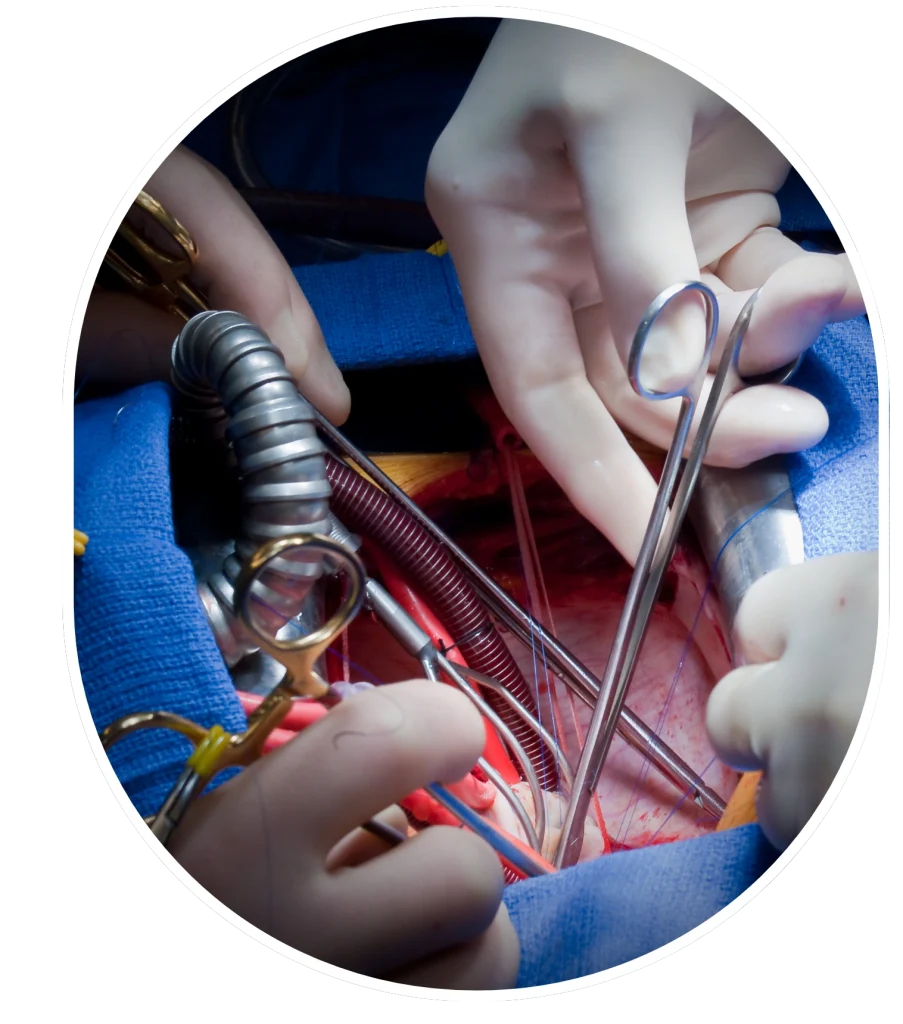
Mitral valve surgery restores normal blood movement through the left side of the heart by either repairing the existing valve or replacing it with an artificial one.
- Mitral Valve Repair: The preferred approach when the natural valve can be preserved. Techniques may include reshaping valve leaflets, tightening the annulus with a ring (annuloplasty), or removing damaged tissue.
- Mitral Valve Replacement: Required when the valve is too damaged for repair. A diseased valve is replaced with a mechanical (durable metal) or biological (tissue) valve.
Both procedures significantly reduce symptoms, enhance oxygen delivery, and increase life expectancy.
When Do You Need Mitral Valve Surgery?
Your cardiologist may recommend mitral valve surgery if you experience:
- Severe valve narrowing (stenosis) causing restricted blood flow.
- Valve leakage (regurgitation) leading to blood flowing backward.
- Shortness of breath, fatigue, chest pain, or heart palpitations.
- Fluid accumulation in lungs or legs (heart failure symptoms).
If you notice persistent breathlessness or irregular heartbeat, consult a heart valve surgeon in Lucknow promptly to prevent irreversible heart damage.
Types of Mitral Valve Procedures Performed
Dr. Rahul Bhushan provides a wide range of surgical options to suit each patient’s needs:
Traditional (Open-Heart) Mitral Valve Surgery
- Standard open-chest approach with heart-lung machine.
- Ideal for multi-valve or complex disease.
Minimally Invasive Mitral Valve Repair (MIMVR)
- Performed through small chest incisions.
- Less pain, minimal blood loss, faster recovery.
Robotic or Endoscopic Assisted Valve Surgery
- Uses camera-guided precision for enhanced accuracy.
Mitral Valve Replacement
- Mechanical valve – long-lasting, requires blood thinners.
- Biological valve – no long-term anticoagulation; best for older or female patients planning pregnancy.
Redo Mitral Valve Surgery
- For patients needing re-operation after previous repair or replacement.

Why Choose Dr. Rahul Bhushan?
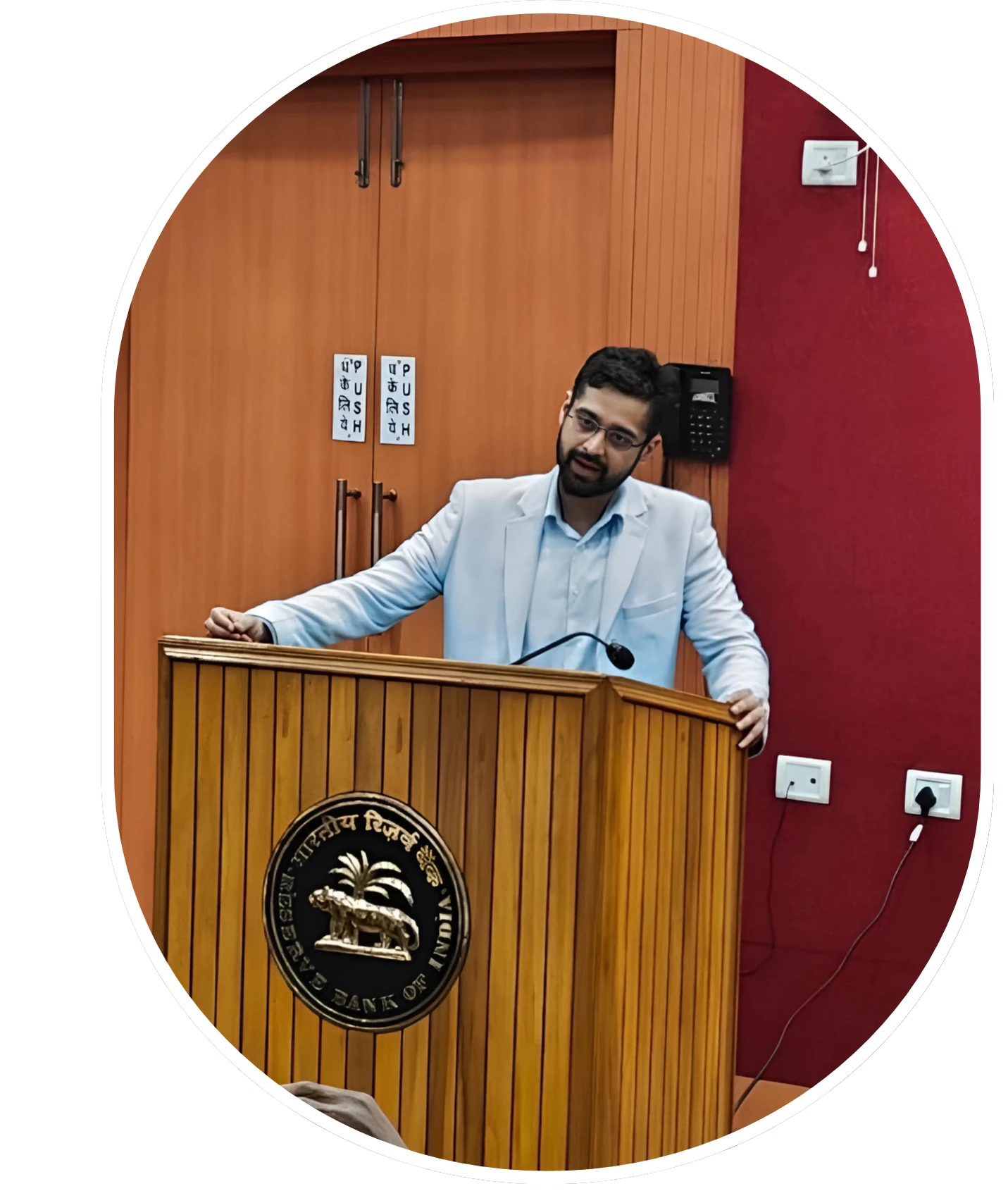
Patients choose Dr. Bhushan not just for his surgical expertise, but for his patient-first approach, where care, safety, and recovery are always the top priority.
- Gold Medalist in MS & MCh (CTVS) – Proven academic excellence.
- International Fellowship (Singapore) – Expertise in minimally invasive and advanced techniques.
- 2000+ Successful Surgeries – Extensive experience in complex cardiac procedures.
- Former Faculty at AIIMS & RML New Delhi – Strong teaching and clinical background.
- Apollomedics Super Specialty Hospital – World-class operation theatres, ICU, and post-op care.
The Procedure – What to Expect
Dr. Rahul Bhushan specializes in restoring heart function with advanced mitral valve repair and replacement techniques, ensuring safer outcomes and faster recovery.
Pre-Surgery Evaluation
- Echocardiography, cardiac MRI, and angiography to assess valve function.
- Detailed discussion of valve type and anesthesia plan.
During Surgery
- Performed under general anesthesia.
- Diseased valve is repaired or replaced using high-precision instruments and magnified visualization systems.
- Surgery duration – around 3 to 5 hours.
Post-Surgery
- 24–48 hours in a specialized cardiac ICU.
- Continuous monitoring of heart rhythm, oxygen levels, and blood pressure.
Recovery & Aftercare
Recovery depends on overall health, procedure type, and age. Lifestyle adjustments – balanced diet, blood pressure control, and quitting smoking – help maintain results long-term.
Initial Recovery
Light activity within 2 weeks; full recovery in 6–8 weeks.
Follow-Ups
Regular echocardiograms to evaluate valve performance.
Medications
Blood thinners (for mechanical valves), antibiotics, and heart protective medicines.
Rehabilitation
Guided exercise and breathing therapy sessions.
Risks & Success Rates
Mitral valve surgery is a complex but safe procedure when performed by an experienced surgeon. Potential risks – infection, bleeding, irregular heartbeat – are minimized through advanced protocols, real-time imaging, and meticulous surgical planning.
With modern techniques and expert postoperative care, success rates exceed 95 percent, and most patients enjoy decades of healthy cardiac function.
Frequently Ask Questions
Whenever possible, repair is preferred because it preserves your natural valve and avoids lifelong medication.
Mechanical valves can last a lifetime with blood thinners; biological valves typically last 10–20 years.
Yes, it is safe and offers faster recovery, less pain, and smaller scars when performed by a trained specialist.
Costs depend on procedure type, valve selection, and recovery duration. A personal consultation provides exact estimates.
Absolutely, with careful pre-assessment and modern anesthesia, outcomes in elderly patients are excellent.
Book Your Consultation
Consult Dr. Rahul Bhushan, one of Lucknow’s leading heart surgeons, for a comprehensive evaluation and personalized treatment plan.